
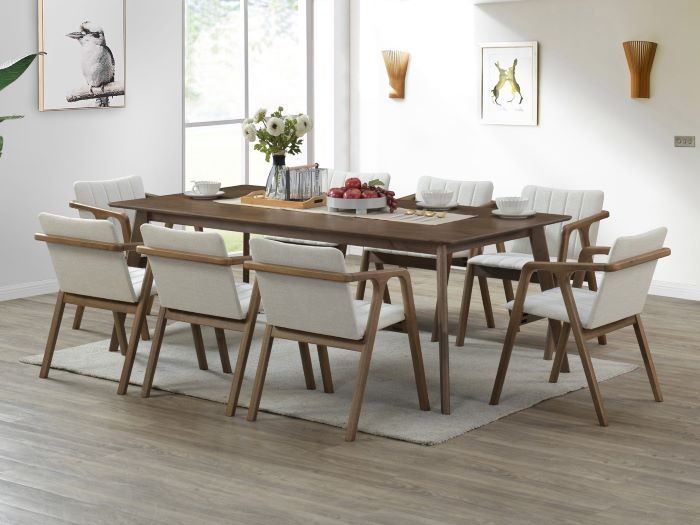
What will the table be used for?
They should decide the primary job first, because “table” can mean dining, desk, coffee, console, or craft station. A dining table needs stability and a durable top, while a side table can prioritize looks. If it will handle daily meals, homework, or heavy gear, they should shop as if it will take a beating.
What size table actually fits the space?
They should measure the room, not guess. For dining, a practical rule is to leave about 36 inches of clearance around the table so chairs can slide and people can pass. In tight spaces, round or oval tops often feel easier to move around than sharp corners. If it’s a desk, they should confirm monitor depth and legroom.
Is the table height right for the chairs and the people using it?
Most dining tables sit around 29 to 30 inches high, while coffee tables are usually 16 to 18 inches. They should check chair seat height and aim for roughly 10 to 12 inches of space between the seat and the underside of the tabletop. A cheap table that is the wrong height will feel uncomfortable no matter how good it looks.
What materials are they really getting at this price?
Cheap tables often use engineered wood rather than solid hardwood, and that is not automatically bad. The key is knowing the trade-offs. Particleboard is the most budget-friendly but chips and swells easily if moisture gets in. MDF is heavier and smoother for painted finishes but can still hate water. Plywood is often the strongest engineered option for the money.
How can they tell if the tabletop will hold up?
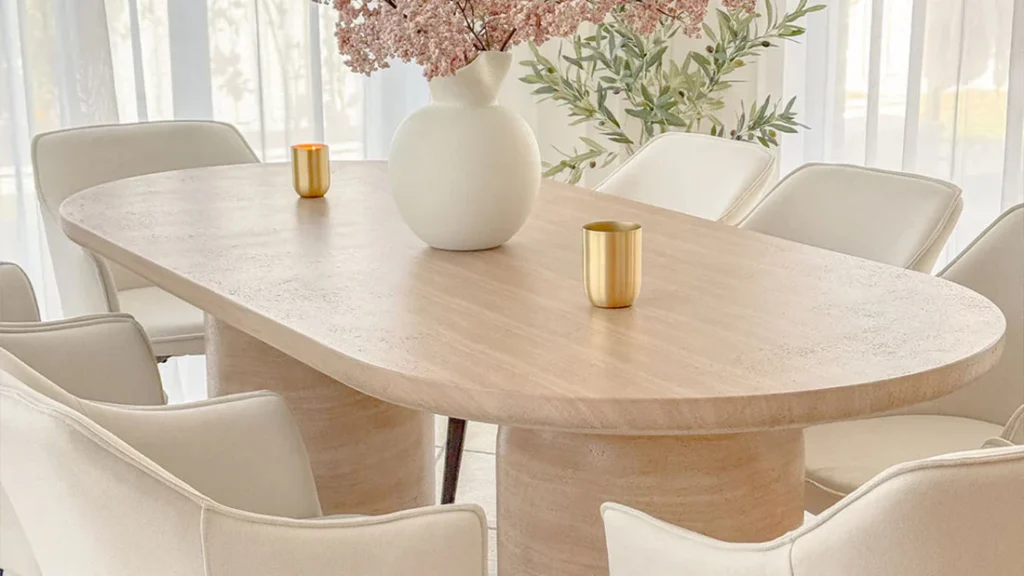
They should look closely at the surface layer. Laminate can be very durable for daily use if the edges are sealed well, but thin veneers can peel or bubble. They should also check the listed thickness, because very thin tops tend to flex. If they expect heat, spills, or crafts, they should prioritize scratch and stain resistance over “real wood” claims.
Will the base and legs stay stable over time?
Most complaints about cheap tables are really about the base. They should look for bracing, aprons, or crossbars that reduce side-to-side sway. Wide leg stances generally feel steadier than narrow ones. If the product photos show thin legs with no support, they should expect wobble unless reviews strongly say otherwise.
What joinery and hardware should they look for?
They should favor tables that use bolts, metal plates, corner blocks, or cam locks paired with dowels over staples or glue-only joints. Adjustable leveling feet are a big plus for uneven floors. If the listing mentions “reinforced steel frame,” that can be a good sign, but only if the tabletop attachment points look solid too.
How much assembly hassle should they expect?
Cheap tables often save money by shipping flat and relying on the buyer for final strength. They should check the number of parts, tool requirements, and whether pre-drilled holes are included. If they want a quieter, sturdier result, they should tighten hardware in stages and re-tighten after a week of use as the pieces settle.
Are the weight limits and load needs realistic?
They should not ignore weight capacity, especially for desks and dining tables used for gatherings. A low limit can hint at a weak frame or thin top. If the table will hold monitors, aquariums, or heavy kitchen appliances, they should buy for the load first and style second.
What finishes and edges are easiest to live with?
High-gloss finishes can show scratches fast, while matte or textured tops hide wear better. Rounded edges are often more forgiving in small homes and around kids. If they expect spills, sealed laminate or well-finished wood beats raw or lightly coated surfaces every time.
How should they use reviews to avoid a bad buy?
They should search reviews for repeat problems like wobble, chipped corners, missing holes, or peeling edges. Photo reviews matter more than star ratings, because they reveal scale, color accuracy, and wear. If many reviews mention “looks great, but…” followed by the same issue, they should treat it as a warning.
What return policy and warranty details matter most?
They should confirm return windows, restocking fees, and who pays return shipping, since bulky furniture can be expensive to send back. A short warranty is common at low prices, but a clear parts replacement policy can still be valuable. If the brand has hard-to-reach support, even a “good deal” can become a headache.
What are the best cheap-table choices by room?
For dining, they should prioritize a stable base, sealed edges, and a scratch-resistant top. For a desk, they should focus on depth, legroom, and weight capacity. For coffee and side tables, they can safely spend more on style, but should still check edge quality and stability. If budget is tight, a smaller, sturdier table often outperforms a larger, flimsy one.
What quick checklist can they use before buying?
They should confirm measurements, height match, tabletop thickness, and base bracing before anything else. Then they should verify materials, weight limit, assembly complexity, and return terms. If those boxes are checked, a cheap table can be a genuinely good buy rather than a short-term compromise.
FAQs (Frequently Asked Questions)
What should I consider about the table’s purpose before buying a cheap table?
Decide the primary use of the table first, such as dining, desk, coffee, console, or craft station. For daily meals or heavy use, prioritize stability and durable surfaces. Side tables can focus more on aesthetics. Shopping with the table’s main function in mind helps avoid issues like wobbliness or surface damage.
How do I determine the right size and shape for a cheap table in my space?
Measure your room accurately rather than guessing. For dining tables, leave about 36 inches clearance around for chair movement and passage. In tight areas, round or oval tables feel easier to navigate than sharp corners. For desks, ensure adequate depth for monitors and comfortable legroom.
Why is matching table height to chairs and users important?
Most dining tables are 29-30 inches high; coffee tables are 16-18 inches. Check chair seat height and aim for 10-12 inches between seat and tabletop underside. A cheap table with incorrect height will be uncomfortable regardless of looks, so proper height ensures usability and comfort.
What materials are common in cheap tables, and what trade-offs should I know?
Cheap tables are frequently constructed from engineered wood substrates such as particleboard, MDF, or plywood rather than solid hardwood, reflecting engineered wood furniture material classification and durability benchmarking principles. Particleboard is cost-efficient but highly susceptible to edge chipping and moisture-induced swelling. MDF provides a smooth, uniform surface suitable for painted finishes, though it performs poorly in high-moisture environments. Plywood generally offers superior structural integrity among engineered options due to its layered construction. Understanding these material distinctions enables more accurate expectations around durability, maintenance requirements, and lifecycle performance.
How can I assess if a cheap tabletop will be durable?
Examine the surface layer closely: laminate tops can be very durable if edges are well sealed; thin veneers may peel or bubble over time. Check tabletop thickness since thin tops tend to flex easily. If expecting heat, spills, or crafts, prioritize scratch- and stain-resistant finishes over purely “real wood” claims.
What should I look for to ensure a cheap table’s base and legs remain stable?
Look for structural features like bracing, aprons, or crossbars that reduce side-to-side sway. Wide leg stances generally provide better stability than narrow ones. Avoid tables with thin legs lacking support unless reviews confirm sturdiness. Stability is often where cheap tables fail most visibly.